Danity: A Retro-Styled Display Font for Creative Projects
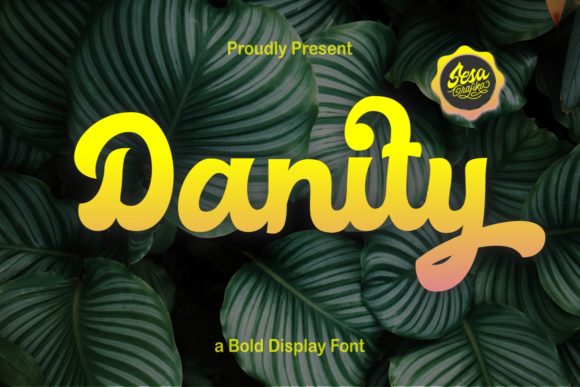
Danity is a display font that blends retro aesthetics with modern design sensibilities. Its unique style makes it an appealing choice for designers looking to add a touch of vintage flair to their work. The font features a range of glyphs and swashes, making it versatile for different typographic needs.
What Is Danity?
Danity is a PUA-encoded font, which means users can access all its glyphs and swashes without relying on complex encoding systems. This makes it easier to use in various design software and platforms. The font's retro-inspired design gives it a distinct character that stands out in both digital and print media.
Its visual appeal lies in the balance between elegance and playfulness. The letterforms are stylized to evoke a sense of nostalgia while maintaining readability. This combination makes Danity suitable for a wide range of applications, from branding to editorial design.
Why Consider Danity?
Designers and developers may be drawn to Danity for several reasons. Its retro aesthetic can help create a specific mood or atmosphere in a project. Whether it's for a vintage-themed logo, a magazine layout, or a website header, Danity offers a distinctive look that can set a design apart.
The font's PUA encoding is another advantage. It allows for straightforward access to all available characters, which is particularly useful when working with custom typography. This feature reduces the need for additional tools or workarounds, streamlining the design process.
Benefits and Considerations
One of the primary benefits of using Danity is its visual impact. The font's unique style can enhance the overall aesthetic of a design, making it more engaging and memorable. It is especially effective in contexts where a strong typographic statement is needed.
However, there are some considerations to keep in mind. While Danity is highly readable in larger sizes, it may not be ideal for body text due to its decorative elements. Designers should test the font in different sizes and contexts to ensure it meets their needs.
Another factor to consider is compatibility. Although PUA encoding simplifies glyph access, not all design software may support it equally. Users should verify that their preferred tools can handle PUA-encoded fonts before incorporating Danity into their workflow.
Situations Where Danity Fits Well
Danity is well-suited for projects that require a retro or vintage feel. It can be an excellent choice for logos, posters, and other visual identities that aim to evoke a nostalgic vibe. Its versatility also makes it a good option for editorial layouts, such as magazines or books with a historical theme.
In web design, Danity can be used for headings, banners, or other prominent text elements. Its bold and stylized appearance can draw attention and add visual interest to a page. When used sparingly, it can enhance the overall design without overwhelming the reader.
When Alternatives May Be Better
While Danity has many strengths, there are situations where alternative fonts may be more appropriate. For instance, if a project requires a clean, modern look, a sans-serif or serif font might be a better fit. These fonts often offer greater readability and a more neutral aesthetic.
Additionally, if a designer needs a font that is widely supported across different platforms and devices, they may want to consider more standard typefaces. Some PUA-encoded fonts may not render consistently on all systems, which could affect the final output.
For projects that require extensive multilingual support, a font with broader character sets may be necessary. Danity's focus on stylistic elements may limit its usefulness in certain contexts where comprehensive language coverage is essential.
Decision-Making Insights
When evaluating whether Danity is the right choice, designers should consider the goals of their project. If the objective is to create a visually striking design with a retro influence, Danity can be an excellent option. However, if clarity and broad usability are priorities, other fonts may be more suitable.
Testing the font in real-world scenarios is crucial. Designers should experiment with different sizes, colors, and backgrounds to see how Danity performs in various contexts. This process can help identify any potential issues and ensure the font meets the project's requirements.
Finally, understanding the audience is important. A font that resonates with one group may not have the same effect on another. Designers should consider the preferences and expectations of their target audience when selecting a typeface.